

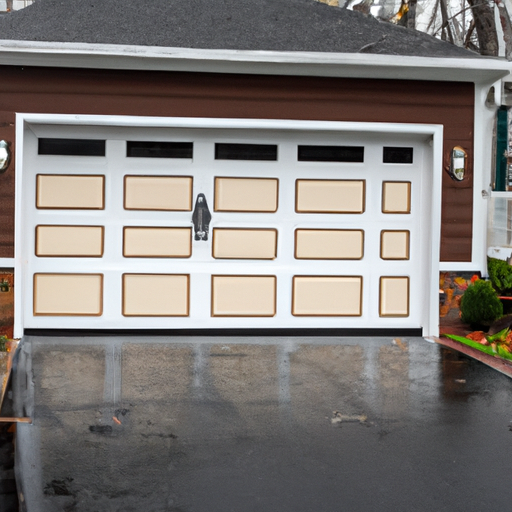
For homeowners in Ridgewood, NJ, weatherproofing is a must when planning garage door installation. The local climate — humid summers, salt air in some parts of Bergen County, and freezing winters — makes proper sealing, insulation, and installation techniques essential to protect your garage and home.
Why weatherproofing matters for Ridgewood homes
A well-executed garage door installation does more than improve curb appeal. It keeps out wind-driven rain, reduces drafts, prevents water damage, and helps maintain a stable temperature inside the garage. That stability protects stored items, vehicle finishes, and HVAC loads if the garage opens into living space.
When we talk about weatherproofing during garage door installation, we mean a coordinated set of steps: accurate measurements, high-quality seals, proper threshold installation, panel insulation, and attention to the frame and track. These elements work together to deliver a durable residential service outcome.
Key weatherproofing solutions
1. Tight, durable perimeter seals
Perimeter seals (bottoms and jambs) are the first line of defense. For garage door installation, choose heavy-duty bulb seals or reinforced rubber bottom seals rated for freeze-thaw cycles. A compressible threshold plate on the floor helps create a water-tight intersection between door and slab.
- Bulb seals for flexible compression along the door bottom.
- Jamb seals that attach to frame sides; inspect for gaps around rollers.
- Thresholds with adhesive or screw-down plates for sloped driveways.
2. Insulation for thermal control
Insulated garage doors reduce heat transfer and minimize condensation. When planning garage door installation, look for R-value ratings — higher R-values mean better resistance to heat flow. Insulated doors also reduce the chance of freezing on interior surfaces during winter.
3. Wind-rated components and reinforcement
Because northern New Jersey can experience strong storms, consider wind-rated doors or additional reinforcement brackets during your garage door installation. Reinforced struts, stronger hinges, and upgraded track anchors help the door resist gusts and heavy snow loads.
4. Weatherproofing the opener and electronics
Protect the opener, photo eyes, and keypad. Elevate exposed wiring, install weather-resistant covers, and place the opener in a dry, insulated area if possible. Proper weatherproofing during garage door installation prevents short circuits and sensor malfunctions.
5. Venting and condensation management
Venting is often overlooked. Properly installed vents or insulating strategies reduce humidity buildup that leads to rust or mold. During garage door installation, coordinate vent placement with insulation to avoid thermal bridges.
Preparation and installation checklist
Use this checklist to prepare your Ridgewood home before technicians arrive for garage door installation. Completing these items speeds the job and reduces surprises.
- Measure the opening precisely and note any slab slope or driveway pitch.
- Clear the work area and move vehicles or stored items.
- Check existing frame condition; rotten wood or corroded anchors need repair before installation.
- Decide on insulation level, threshold type, and whether to upgrade to a wind-rated system.
- Confirm local permit needs (see local section below).
For more detail on options and styles, review our services page where we list common door types and insulation packages during a typical garage door installation.
Timeline, costs, and permits
Typical garage door installation in Ridgewood follows a predictable timeline:
- Pre-install inspection and measurements: 1 day (or same-day visit in many cases).
- Delivery of custom doors and materials: 3–10 business days depending on options.
- Installation: 3–8 hours for most single or double doors; more for complex or reinforced systems.
Cost depends on door type, insulation (R-value), hardware quality, and whether structural repairs are needed. For a standard insulated steel door and professional garage door installation in NJ, expect a range from modest to premium depending on materials. Always get a written estimate that itemizes seals, thresholds, insulation, and labor.
Permits: Many Ridgewood projects that alter the garage opening, change structural supports, or add a new electric opener require a local permit. Verify with the Village of Ridgewood building department before work begins. We can advise on permits during the initial estimate and include permit-ready documentation if needed.
Maintenance tips after installation
Weatherproofing requires periodic checks. Add these items to your seasonal home improvement routine:
- Inspect seals and thresholds for cracking or gaps; replace bottom seals every 3–5 years in harsh climates.
- Clean and lubricate rollers, hinges, and track to prevent water trapping and corrosion.
- Check insulation panels and look for signs of moisture or condensation.
- Test auto-reverse and sensors monthly; moisture can misalign photo eyes.
If you notice persistent drafts, pooling water, or uneven closing after a recent garage door installation, contact a licensed technician right away. Early fixes prevent structural damage and costly repairs down the road. You can reach our team through the contact page for fast local service.
Choosing the right installer
Choose a contractor experienced with weatherproofing in New Jersey conditions. Ask for references, photos of completed work, and warranty terms that cover seals and installation labor. A reputable residential service provider explains options like thermal breaks, wind reinforcement, and long-life seal materials.
Before you hire, request a written scope that lists all weatherproofing components included with your garage door installation. This avoids surprises and clarifies responsibility for future maintenance.
Quick local checklist before you schedule
- Confirm measurements and driveway slope.
- Decide on insulation and wind rating level.
- Ask about warranty on seals and labor.
- Verify permit needs with Ridgewood municipal offices.
For homeowner guides and seasonal tips related to garage door installation and weatherproofing, check our blog for timely local advice.
Proper weatherproofing at the time of garage door installation saves money and hassle. Investing in quality seals, insulation, and skilled installation protects your Ridgewood home through heat, storms, and cold.
Ready to schedule weatherproofing with your next garage door installation? Call our Ridgewood team for an on-site estimate and options tailored to Bergen County climate and codes.
Frequently Asked Questions — Ridgewood, NJ
1. How long does weatherproofing add to a standard garage door installation?
Adding weatherproofing measures like new bottom seals, a threshold, and perimeter jamb seals typically adds 30–90 minutes to a standard garage door installation. If insulation or wind reinforcement is included, plan for a half to full additional day.
2. Will I need a permit in Ridgewood for a new garage door?
Most straight replacements that don’t alter the opening size or structure don’t require a permit. If you change the header, enlarge the opening, or add electrical work, the Village of Ridgewood may require permits. We can advise during the estimate.
3. What price range should I expect for a weatherproofed garage door installation in NJ?
Expect a wide range based on materials: a basic insulated steel door with standard sealing can be entry-level, while premium insulated or wind-rated doors cost more. Typical local ranges reflect door type, R-value, and hardware; get a written quote for specifics.
4. How often should seals and thresholds be replaced in NJ weather?
In Bergen County conditions, expect seals to need replacement every 3–7 years depending on UV exposure and freeze-thaw cycles. Threshold plates may last longer but should be inspected annually for gaps or corrosion.
5. Do weatherproofing warranties cover water damage?
Warranties vary. Many manufacturers cover seal defects, and installers may warranty labor for a period. Warranties usually don’t cover pre-existing structural issues or damage from improper drainage; get coverage details in writing.
Helpful local resources in Ridgewood, NJ
- Garage Door Repair Hoboken
- Garage Door Repair Montclair
- Garage Door Repair Westfield
- Garage Door Repair Summit
- Garage Door Repair Maplewood
- Garage Door Repair Livingston
- Garage Door Repair Short Hills
- Garage Door Repair Princeton
- Garage Door Repair Red Bank
- Garage Door Repair Morristown
- Garage Door Repair Chatham
- Garage Door Repair Mendham
- Garage Door Repair Bernardsville
- Garage Door Repair Bedminster
- Garage Door Repair Clinton
- Garage Door Repair Tenafly
- Garage Door Repair Ridgewood
- Garage Door Repair Upper Saddle River
- Garage Door Repair Wyckoff
- Garage Door Repair Basking Ridge
- Garage Door Repair South Orange
- Garage Door Repair Teaneck
- Garage Door Repair Fort Lee
- Garage Door Repair East Brunswick
- Garage Door Repair Montvale
- Garage Door Repair Haddonfield
- Garage Door Repair Marlboro
- Garage Door Repair Cranford
- Garage Door Repair Voorhees
- Garage Door Repair North Caldwell

