

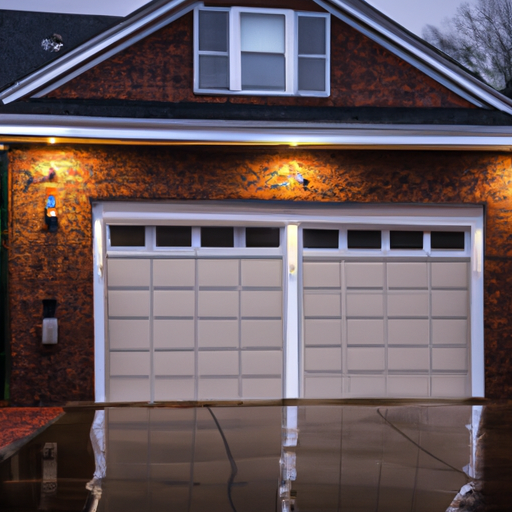
If you live in Ridgewood, NJ and own a home with an automatic opener, knowing how to improve safety for garage door opener repair is essential. A malfunctioning opener or worn components can create hazards for people, pets, and vehicles. This guide focuses on practical steps Ridgewood homeowners can take before, during, and after garage door opener repair to reduce risk and protect property.
Why opener safety matters in Ridgewood
Ridgewood’s seasonal temperature swings and humid summers affect garage door parts. Springs, cables, and circuit boards age faster when exposed to fluctuation and salt-laden air. When you schedule garage door opener repair, understanding how weather and daily use influence failures helps you push for safer fixes and longer-lasting results.
Common risks during repair
- Broken springs releasing stored energy.
- Frayed cables that can snap under tension.
- Misaligned sensors or rollers causing unexpected movement.
- Improperly installed openers that override safety reversals.
Pre-repair checklist for homeowners
Before any technician arrives, do a few simple checks and safety preparations. These reduce on-site time and lower the chance of accidents during garage door opener repair.
- Clear the work area: Remove vehicles, bikes, and stored boxes so the technician can access tracks and opener components safely.
- Disconnect the opener: If you notice intermittent operation, unplug the unit. This prevents accidental activation while waiting for service.
- Note symptoms: Write down when the problem started, odd noises, or if the door reverses unexpectedly. Specifics speed diagnosis during garage door opener repair.
- Secure pets and children: Keep them away from the garage until work is complete.
Visual checks you can do
Don’t try to disassemble parts, but you can safely inspect the exterior: look for rust, loose hardware, or dents in the door. Check safety sensors near the floor for obstructions or misalignment. These observations will help the technician focus troubleshooting during a garage door opener repair visit.
What to expect from a professional visit
When you hire a qualified team for garage door opener repair, expect a structured inspection, testing, and clear communication about safety fixes. Professionals trained in residential service follow steps that reduce liability and improve outcomes.
Key steps a pro should take
- Full visual and mechanical inspection of springs, cables, rollers, and tracks.
- Testing of the opener’s auto-reverse and photo-eye sensors.
- Replacing worn parts rather than temporary fixes when safety is at stake.
- Providing a written estimate and explaining why a repair or replacement is recommended.
Want more background on common issues and repair timelines? Read our local articles for homeowners on the topic: garage door maintenance and safety.
Questions to ask before any work
- Do you replace springs and cables on the same visit if needed?
- Will the technician test the safety reversal and sensors after repair?
- Are parts and labor covered by a warranty?
- How long will the repair take and what is the estimated cost range?
DIY vs. professional repair: When to call a pro
Some homeowners can handle minor adjustments like sensor realignment or remote battery replacement, but most garage door opener repair tasks involve dangerous components. Broken springs and high-tension cables require specialty tools and training. In Ridgewood, where cold snaps and heavy rain can hide corrosion, call a licensed technician for anything beyond basic troubleshooting.
To schedule professional service or confirm pricing and warranties, use our contact page and get a local appointment: schedule garage door opener repair.
Typical timelines and pricing considerations
- Minor fixes (sensor alignment, remote reprogramming): often same-day, lower cost.
- Spring or cable replacement: typically a few hours; costs vary by spring type and door size.
- Opener replacement or electronic control board repair: may require ordering parts; expect 1–3 days depending on stock.
Local technicians can give a more accurate estimate once they inspect the door. Ask about emergency service if the door is stuck open or closed in extreme weather.
Safety tips after repair and routine maintenance
Once your garage door opener repair is complete, follow simple maintenance tips to keep it safe and extend component life. Regular attention reduces the need for future emergency repairs.
- Test the auto-reverse monthly: Place a 2×4 on the floor and close the door; it should reverse when it touches the board.
- Inspect sensors: Ensure photo-eyes are aligned, clean, and free of insect nests or debris.
- Listen for changes: Grinding or scraping sounds can indicate a failing roller or track damage that needs a technician.
- Lubricate moving parts: Use a silicone-based spray on rollers and hinges per manufacturer guidance; do not lubricate nylon rollers unless specified.
- Schedule annual inspection: An annual professional check detects wear from Ridgewood’s weather cycles before parts fail.
For a full list of services, including preventive maintenance and emergency repairs, view our services page: garage door services.
Choosing a reputable local contractor
Pick a contractor experienced with residential service in NJ. Look for:
- Local references and reviews from Ridgewood homeowners.
- Proof of insurance and a clear written warranty for parts and labor.
- Technicians trained on modern safety systems, including smart opener features.
Ask for an itemized invoice and keep it for future service or warranty claims. Clear documentation also helps if you need a permit or inspection for major opener replacements.
Final checklist: Before the technician leaves
- Verify the door opens and closes smoothly and the auto-reverse works.
- Get a list of replaced parts and recommended follow-up.
- Confirm warranty terms and obtain the technician’s contact details for follow-up.
Taking these steps helps you reduce hazards and get dependable, long-lasting results from your garage door opener repair in Ridgewood, NJ.
Frequently Asked Questions — Ridgewood, NJ
Q: How does winter weather in Ridgewood affect garage door opener repair?
A: Cold snaps make metal parts contract and can stiffen lubricants, which leads to added strain on springs and motors. If your opener struggles or the door moves slowly in cold weather, schedule a check — technicians will test spring tension and motor load to avoid a failure when temperatures drop further.
Q: How long will a typical repair take for a residential opener?
A: Most common repairs such as sensor alignment, remote reprogramming, or replacing a broken spring take 1–3 hours. Opener motor or control board replacements can be same-day if parts are on hand, otherwise 1–2 days when ordering parts.
Q: What price range should Ridgewood homeowners expect?
A: Simple fixes often run on the lower end (labor + small parts). Spring replacement or cable work is mid-range, while full opener replacement is higher. Always request an itemized quote and ask whether parts and labor include a warranty.
Q: Do I need permits or inspections in Ridgewood for opener replacement?
A: Most minor repairs don’t require permits. Major structural changes or new automatic openers sometimes require a local building permit. A qualified contractor familiar with Bergen County rules can advise and, if needed, obtain permits.
Q: What warranties should I expect after repair?
A: Warranties vary: parts often have manufacturer coverage, while labor warranties are given by the service provider (commonly 90 days to 1 year). Request warranty details in writing before work begins.
Helpful local resources in Ridgewood, NJ
- Garage Door Repair Hoboken
- Garage Door Repair Montclair
- Garage Door Repair Westfield
- Garage Door Repair Summit
- Garage Door Repair Maplewood
- Garage Door Repair Livingston
- Garage Door Repair Short Hills
- Garage Door Repair Princeton
- Garage Door Repair Red Bank
- Garage Door Repair Morristown
- Garage Door Repair Chatham
- Garage Door Repair Mendham
- Garage Door Repair Bernardsville
- Garage Door Repair Bedminster
- Garage Door Repair Clinton
- Garage Door Repair Tenafly
- Garage Door Repair Ridgewood
- Garage Door Repair Upper Saddle River
- Garage Door Repair Wyckoff
- Garage Door Repair Basking Ridge
- Garage Door Repair South Orange
- Garage Door Repair Teaneck
- Garage Door Repair Fort Lee
- Garage Door Repair East Brunswick
- Garage Door Repair Montvale
- Garage Door Repair Haddonfield
- Garage Door Repair Marlboro
- Garage Door Repair Cranford
- Garage Door Repair Voorhees
- Garage Door Repair North Caldwell

