

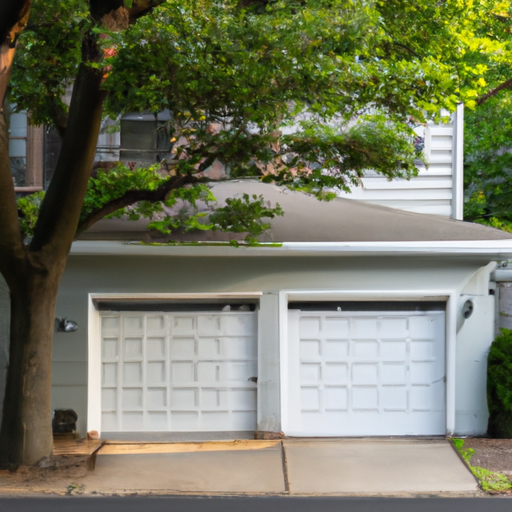
If you live in Ridgewood, NJ and open your garage every morning, you know how much impact a loud door can have on your daily routine. This guide focuses on practical noise-reduction methods tied to professional garage door installation so homeowners in Ridgewood, NJ can choose quieter, longer-lasting options.
Why quiet matters for garage door installation
Noise from a garage door is more than an annoyance. It affects adjacent rooms, can wake kids or pets, and reduces enjoyment of your property. When planning garage door installation, thinking about sound control up front saves time and expense later. Proper garage door installation addresses alignment, hardware choices, and insulation—the three big drivers of noise.
Key noise-reduction solutions for installation
1. Choose the right door construction
Thicker, insulated garage doors absorb sound better than single-layer steel. Modern insulated sectional doors reduce vibration and rattle when paired with the right opener. During garage door installation, ask for doors with thermal and acoustic insulation cores—these improve energy efficiency and lower noise.
2. Upgrade hardware and tracks
Quiet starts at the connection points. Standard rollers and single-channel tracks amplify movement. A quality garage door installation includes:
- Ball-bearing or nylon rollers to reduce friction and squeak.
- Reinforced hinges and brackets to minimize vibration transfer.
- Well-mounted tracks with proper shimming and anchor points.
Small upgrades during installation may add little cost but dramatically improve silence and longevity.
3. Select a low-noise opener
The opener is often the loudest component. Belt-drive openers and direct-drive models run much quieter than chain drives. When scheduling garage door installation, request a quiet opener compatible with your door weight and balance.
4. Pay attention to seals and weatherstripping
Proper seals around the perimeter prevent wind-driven rattles and reduce outside noise entry. During installation, replace worn bottom seals and install side and top weatherstripping. These simple additions make a noticeable difference for Ridgewood homes that face seasonal gusts and temperature swings.
5. Tune springs and balance the door
Unbalanced doors strain openers and cause uneven, noisy movement. Professional garage door installation includes spring adjustment and balance testing. This reduces wear and prevents the loud clanging that happens when torsion or extension springs are out of spec.
Practical steps before you schedule installation
Prepare your garage and budget with these homeowner-friendly items to make noise-focused installation efficient and effective.
- Measure the opening and note ceiling obstructions—this helps determine track layout and opener type.
- Decide if insulation is a priority for noise and energy savings.
- List daily noise pain points—early morning, late night, or intermittent squeaks—to share with the installer.
- Compare door designs: wood-look, steel, and composite each behave differently acoustically.
For examples of recent projects and quiet door options, see our blog with local Ridgewood installs and before/after notes.
Costs, timelines, and choosing a local installer
In Ridgewood, a typical garage door installation that emphasizes noise reduction varies by door type and features. Expect a range depending on door material, insulation level, hardware upgrades, and opener selection. A concise breakdown:
- Basic single-layer steel door with chain-drive opener: lower upfront cost, higher noise.
- Insulated sectional door + belt-drive opener + upgraded rollers: moderate to premium cost, much quieter.
- Custom wood or composite doors with premium hardware: highest cost, high aesthetic and acoustic value.
Most installations take one day when the build is standard; complicated headroom, motor choices, or custom trim can extend the project to two days. To see the full set of services and upgrade options we offer for quiet performance, visit our services page.
Maintenance tips to keep noise down
After installation, simple maintenance preserves quiet operation and extends life:
- Lubricate rollers, hinges, and springs annually with a silicone or lithium lubricant.
- Inspect seals and weatherstripping each fall and replace if cracked.
- Test door balance twice a year—an uneven door can double wear and increase noise.
- Schedule a professional check every 1–2 years to adjust springs and opener settings.
Local considerations for Ridgewood homeowners
Ridgewood’s seasons bring temperature swings that affect materials and seals. A noise-focused garage door installation must consider:
- Freeze-thaw cycles—choose seals rated for cold and doors with consistent thermal cores.
- Neighborhood regulations—some areas favor certain styles; check HOA guidelines if applicable.
- Noise ordinances—while a single garage door isn’t usually regulated, quieter systems reduce neighbor complaints.
Get started with a Ridgewood quote
Ready for a quieter garage? A short phone call or online contact can schedule an on-site assessment. For fast local response and tailored recommendations, contact our Ridgewood team. We’ll assess your layout, recommend the right door, and outline noise-focused upgrades so your garage door installation delivers the quiet performance you expect.
Prefer to call? Use the number below for immediate scheduling or questions about noise solutions and local installation timelines.
Helpful local resources in Ridgewood, NJ
- Garage Door Repair Hoboken
- Garage Door Repair Montclair
- Garage Door Repair Westfield
- Garage Door Repair Summit
- Garage Door Repair Maplewood
- Garage Door Repair Livingston
- Garage Door Repair Short Hills
- Garage Door Repair Princeton
- Garage Door Repair Red Bank
- Garage Door Repair Morristown
- Garage Door Repair Chatham
- Garage Door Repair Mendham
- Garage Door Repair Bernardsville
- Garage Door Repair Bedminster
- Garage Door Repair Clinton
- Garage Door Repair Tenafly
- Garage Door Repair Ridgewood
- Garage Door Repair Upper Saddle River
- Garage Door Repair Wyckoff
- Garage Door Repair Basking Ridge
- Garage Door Repair South Orange
- Garage Door Repair Teaneck
- Garage Door Repair Fort Lee
- Garage Door Repair East Brunswick
- Garage Door Repair Montvale
- Garage Door Repair Haddonfield
- Garage Door Repair Marlboro
- Garage Door Repair Cranford
- Garage Door Repair Voorhees
- Garage Door Repair North Caldwell
Frequently asked questions — Ridgewood, NJ
Q: How does cold winter weather in Ridgewood affect noise after installation?
A: Cold causes seals and lubricants to stiffen, increasing squeaks. During garage door installation request cold-rated seals and a belt-drive opener; we also apply garage-specific lubricants and test operation in cooler temps.
Q: How long does a noise-focused garage door installation take in a typical Ridgewood home?
A: Most standard insulated door installs with a quiet opener take one full day. Complex trim, custom doors, or headroom modifications can extend work to two days; we’ll confirm timeline during the site visit.
Q: What price range should Ridgewood homeowners expect for quieter installation options?
A: Expect a broader range: entry-level installs start lower, but quiet solutions (insulated panels, nylon rollers, belt-drive opener) fall in a mid-to-premium range. We provide a clear estimate after measuring your opening.
Q: Do I need permits in Ridgewood for a garage door installation?
A: Most residential garage door replacements don’t require a building permit, but if structural modifications or electrical changes are needed, a permit might be necessary. We can advise and help with permit guidance during the estimate.
Q: What warranties or maintenance should I look for with quiet systems?
A: Look for manufacturer warranties on door sections and openers plus local workmanship guarantees. Regular maintenance plans preserve quiet operation—ask about scheduled inspections after installation.
Helpful local resources in Ridgewood, NJ
- Garage Door Repair Hoboken
- Garage Door Repair Montclair
- Garage Door Repair Westfield
- Garage Door Repair Summit
- Garage Door Repair Maplewood
- Garage Door Repair Livingston
- Garage Door Repair Short Hills
- Garage Door Repair Princeton
- Garage Door Repair Red Bank
- Garage Door Repair Morristown
- Garage Door Repair Chatham
- Garage Door Repair Mendham
- Garage Door Repair Bernardsville
- Garage Door Repair Bedminster
- Garage Door Repair Clinton
- Garage Door Repair Tenafly
- Garage Door Repair Ridgewood
- Garage Door Repair Upper Saddle River
- Garage Door Repair Wyckoff
- Garage Door Repair Basking Ridge
- Garage Door Repair South Orange
- Garage Door Repair Teaneck
- Garage Door Repair Fort Lee
- Garage Door Repair East Brunswick
- Garage Door Repair Montvale
- Garage Door Repair Haddonfield
- Garage Door Repair Marlboro
- Garage Door Repair Cranford
- Garage Door Repair Voorhees
- Garage Door Repair North Caldwell

