

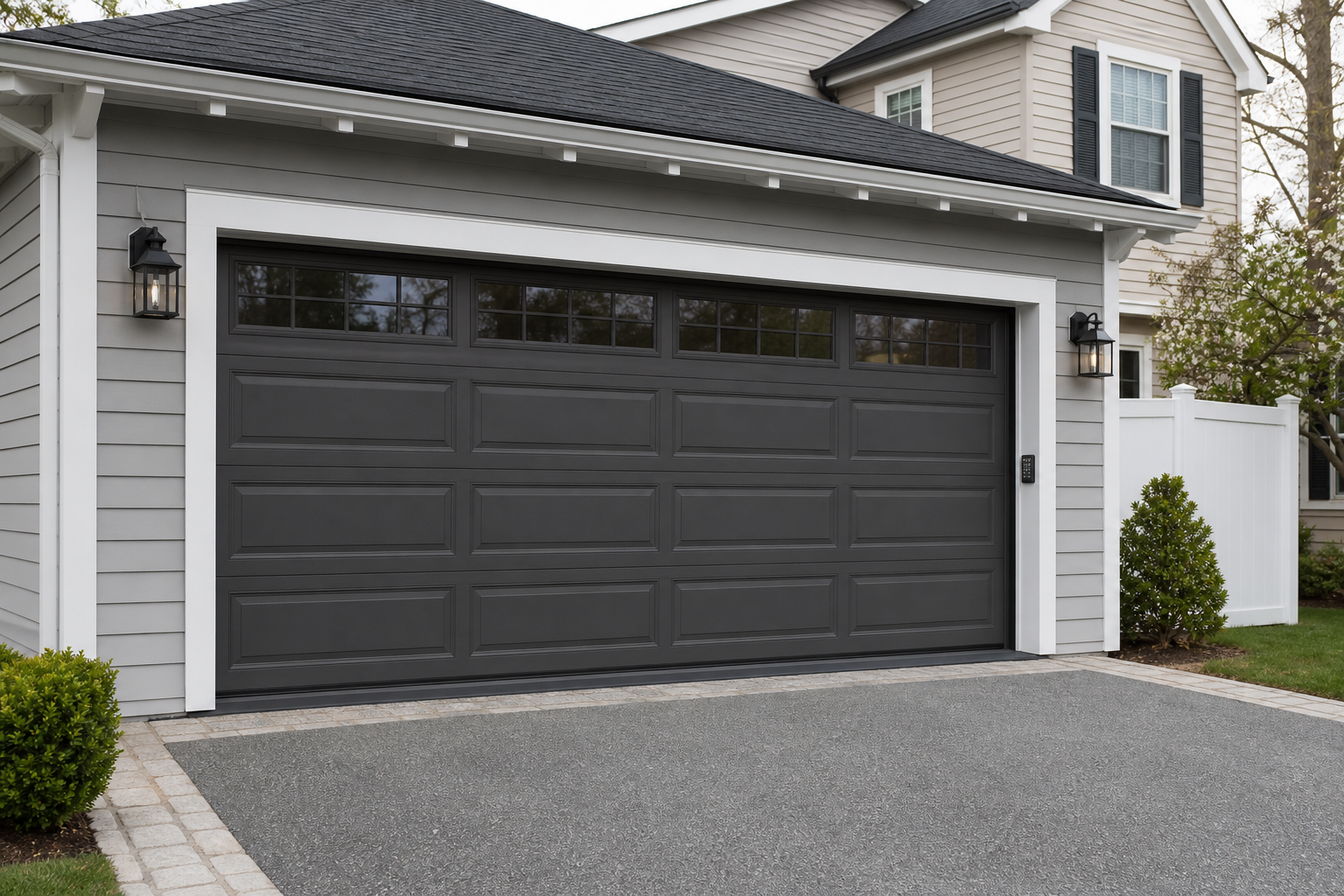
If you are planning smart garage systems in Ridgewood, NJ, the material you choose matters as much as the technology. The right door can improve safety, reduce noise, and help smart features work the way they should in every season. In a place like Ridgewood, where winters can be cold and summer humidity can be high, garage doors need to do more than look good.
This guide explains how different garage door materials compare for smart upgrades, what to consider for daily use, and how to match your home improvement goals with a durable residential service plan.
Why material choice matters for smart garage systems
Smart openers, sensors, and app controls are only part of the setup. The door itself affects how well those features perform. Heavier doors need stronger openers. Warped panels can throw off sensors. Poor insulation can make your garage less efficient and less comfortable.
For homeowners comparing smart garage systems, the goal is to pair the technology with a door that supports it. A well-built door can also reduce repair calls and keep the system running more smoothly over time.
- Weight: impacts opener strain and response time
- Insulation: helps with temperature swings and energy loss
- Durability: matters in wet, icy, and salty road conditions
- Maintenance: affects how often the system needs attention
Common garage door materials and how they perform
Steel
Steel is one of the most common choices for modern garage doors because it is strong, versatile, and easy to pair with smart hardware. It works well for many homes in Ridgewood, NJ, especially if you want a practical upgrade without overcomplicating the project.
- Pros: durable, low maintenance, available in insulated models
- Cons: can dent, and lower-end models may rust if not protected
For smart garage systems, steel is often a smart match because it gives you a stable surface for sensors and a predictable weight for the opener.
Wood
Wood offers a classic look, but it needs more care. It can be a good fit for certain homes, especially where curb appeal is a top priority. That said, wood expands and contracts with moisture, which can affect alignment and smart system performance.
- Pros: attractive, customizable, traditional style
- Cons: higher maintenance, heavier, more sensitive to weather
If you want wood for its style, plan for regular sealing and checkups so your smart garage systems stay calibrated.
Aluminum and glass
Aluminum doors with glass panels have a clean, modern look. They are lighter than steel or wood, which can be helpful for opener performance. They are often chosen for a contemporary home improvement project.
- Pros: lightweight, modern appearance, good for smart openers
- Cons: can be less insulated, glass may need more care
These doors can work well when you want a sleek design, but if your garage is used as a workspace or storage area, make sure insulation is part of the plan.
Fiberglass and composite
Fiberglass and composite doors are worth a close look if you want a balance of style and durability. They can mimic wood without as much upkeep, and many options handle moisture better than natural wood.
- Pros: moisture resistant, lighter than solid wood, lower upkeep
- Cons: quality varies, some models may not feel as solid
For homeowners comparing smart garage systems NJ choosing the right materials guide options, composite can be a solid middle ground.
What Ridgewood homeowners should think about first
When choosing materials for a smart garage door, start with your home and how you use the garage. A door that looks great but fights the opener will create problems later.
Climate and insulation
Ridgewood weather can be hard on garage doors. Cold snaps, snow, and humidity all affect how materials expand, contract, and hold up over time. If the garage connects to your home, insulation becomes even more important.
Good insulation can help keep temperatures steadier and reduce stress on smart components. That matters if your garage has motion sensors, cameras, or remote access that you rely on every day.
Door weight and opener compatibility
Heavier materials often need stronger openers and better springs. If you are updating to a smart opener, make sure the door material fits the motor size and lifting capacity.
For a smoother upgrade, review your current setup before buying new hardware. If you need help deciding, the team at our services page can help you compare door types, opener options, and repair needs in one place.
Maintenance level
Some homeowners want the lowest-maintenance option possible. Others do not mind seasonal upkeep if it means a certain look. Be honest about how much care you want to give the door each year.
- Low maintenance: steel, composite, aluminum
- Moderate maintenance: insulated steel, fiberglass
- Higher maintenance: wood
How to match material to smart features
Not every smart feature depends on the door material, but the material can affect how well the whole system performs. A reliable door supports the sensors, opener, and remote controls you use most.
Here are a few examples:
- App controls: work best when the opener has stable performance and the door opens smoothly
- Safety sensors: need straight tracks and consistent panel alignment
- Battery backup: matters more if you use the garage as your main entry
- Noise reduction: improves when the door is insulated and balanced
Choosing materials is not just about looks. It is about how well your garage doors support the smart system for years. If you are still comparing options, check the latest tips on our blog before you buy.
When to replace instead of retrofit
Sometimes the best path is not adding smart parts to an old door. If the panels are damaged, the door is out of balance, or the material is failing, a full replacement may save money over time.
Consider replacement if you notice:
- repeated sensor errors
- rust, rot, or warping
- loud operation or vibration
- poor seal at the bottom or sides
- an opener that struggles with the door weight
For homeowners in Ridgewood, NJ, this is often the point where a residential service visit makes sense. A technician can inspect the door, opener, and hardware together instead of guessing at the fix. If you are ready to talk through it, use our contact page to schedule a visit.
Simple material choice tips before you buy
- Choose insulated steel if you want a balanced mix of value, durability, and smart compatibility.
- Choose wood only if you are willing to keep up with maintenance and seasonal checks.
- Choose aluminum or composite if you want a lighter or more modern look.
- Match the door weight to the opener so the smart system does not work harder than it should.
- Ask about warranty coverage for both the door and installed smart hardware.
The best result usually comes from treating the garage as part of your home, not just a place to park. The right material can improve comfort, support smart features, and reduce future repair needs.
For Ridgewood homeowners, smart garage systems work best when the door material, opener, and installation are all planned together. That is the easiest way to get a setup that feels smooth, secure, and built for everyday use.
Frequently Asked Questions
What garage door material works best for smart garage systems in Ridgewood, NJ?
Insulated steel is often the best all-around choice because it is durable, manageable in weight, and works well with smart openers and sensors. Composite is also a strong option if you want less upkeep.
Do smart garage systems need a lighter door?
Not always, but lighter doors can reduce opener strain. If you have a heavier wood or solid-panel door, the opener and spring system should be checked before you add smart controls.
How do Ridgewood winters affect garage door materials?
Cold weather can stiffen seals, affect lubrication, and make wood expand or contract. Insulated steel and composite tend to handle winter swings better than untreated wood.
Can I add smart garage features to my current door?
Yes, if the door is in good shape, balanced, and compatible with the opener. If the door is warped, rusty, or hard to lift, replacement may be the better investment.
Are permits needed for a garage door replacement in Ridgewood?
Permit rules can vary by project scope. Simple like-for-like replacements may differ from electrical or structural work, so check local requirements before starting.
How much should I budget for a smart garage door project?
Costs depend on the material, insulation, opener, and smart features. In general, steel systems are often the most budget-friendly, while custom wood and full smart upgrades cost more.
Helpful local resources in Ridgewood, NJ
- Garage Door Repair Hoboken
- Garage Door Repair Montclair
- Garage Door Repair Westfield
- Garage Door Repair Summit
- Garage Door Repair Maplewood
- Garage Door Repair Livingston
- Garage Door Repair Short Hills
- Garage Door Repair Princeton
- Garage Door Repair Red Bank
- Garage Door Repair Morristown
- Garage Door Repair Chatham
- Garage Door Repair Mendham
- Garage Door Repair Bernardsville
- Garage Door Repair Bedminster
- Garage Door Repair Clinton
- Garage Door Repair Tenafly
- Garage Door Repair Ridgewood
- Garage Door Repair Upper Saddle River
- Garage Door Repair Wyckoff
- Garage Door Repair Basking Ridge
- Garage Door Repair South Orange
- Garage Door Repair Teaneck
- Garage Door Repair Fort Lee
- Garage Door Repair East Brunswick
- Garage Door Repair Montvale
- Garage Door Repair Haddonfield
- Garage Door Repair Marlboro
- Garage Door Repair Cranford
- Garage Door Repair Voorhees
- Garage Door Repair North Caldwell

